


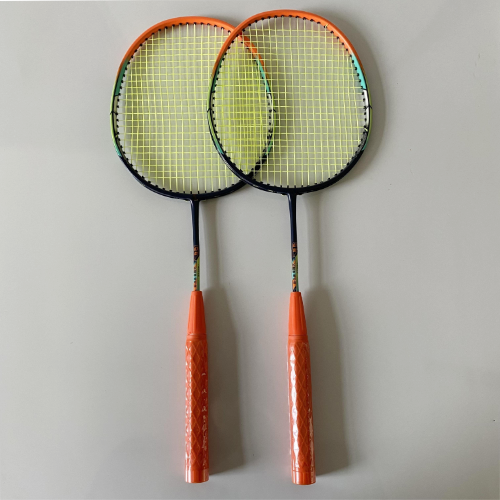
L'intelligence artificielle révolutionne la conception, les tests, la personnalisation et l'amélioration des équipements sportifs. Auparavant, leur développement reposait largement sur le prototypage manuel, les tests en laboratoire et les retours des athlètes recueillis après de longs cycles de développement. Aujourd'hui, l'IA intégrée à la conception d'équipements sportifs permet aux fabricants d'analyser de vastes ensembles de données de performance, d'identifier des tendances, de simuler le comportement des produits et d'optimiser les conceptions plus rapidement qu'avec les méthodes traditionnelles. Cette évolution transforme tous les aspects du sport, des chaussures de course et des casques aux raquettes, balles, équipements de protection, vélos et appareils d'entraînement.
Pour les marques, les ingénieurs, les scientifiques du sport et les équipes de développement produit, l'utilisation de l'intelligence artificielle dans la conception d'équipements sportifs représente un atout concurrentiel majeur. Elle favorise l'innovation fondée sur les données, améliore la précision, réduit le gaspillage, raccourcit les délais de développement et permet de proposer des équipements plus personnalisés aux athlètes de tous niveaux. Pour les consommateurs et les athlètes, la conception d'équipements sportifs assistée par l'IA peut se traduire par un meilleur confort, une sécurité accrue, des performances améliorées et un ajustement plus précis.
Cet article offre une vue d'ensemble complète et optimisée pour le référencement naturel de l'influence de l'intelligence artificielle sur la conception des équipements sportifs. Il aborde les définitions, les avantages, les applications, les spécifications techniques, les étapes du processus et les tendances futures. Rédigé dans un anglais clair, son contenu est structuré pour une utilisation directe sur les pages de blog, les pages de catégories ou les pages d'accueil sectorielles.
L'intelligence artificielle appliquée à la conception d'équipements sportifs désigne l'utilisation de l'apprentissage automatique, de la vision par ordinateur, de l'analyse prédictive, de la conception générative et des outils de simulation pour faciliter la création et l'amélioration des produits sportifs. Au lieu de se fier uniquement à l'intuition humaine ou aux tests physiques, les concepteurs utilisent l'intelligence artificielle pour traiter à grande échelle les données de performance, de biomécanique, de matériaux et les retours des utilisateurs.
En termes simples, l'intelligence artificielle aide les concepteurs d'équipements sportifs à répondre à des questions telles que :
Il en résulte un processus de conception d'équipements sportifs plus intelligent, alliant expertise humaine et prise de décision fondée sur les données. L'IA s'avère ainsi particulièrement utile dans les secteurs où la précision, la performance et la sécurité sont essentielles.
Le marché des équipements sportifs est extrêmement concurrentiel et en constante évolution. Les athlètes recherchent des produits plus légers, plus résistants, plus sûrs et plus performants. Parallèlement, les fabricants doivent réduire les coûts de développement, améliorer l'efficacité de la production, respecter les normes de sécurité et s'adapter aux attentes changeantes des consommateurs. L'intelligence artificielle contribue à atteindre ces objectifs en rendant la conception des équipements sportifs plus rapide, plus intelligente et plus mesurable.
L'IA est importante car les méthodes de conception traditionnelles reposent souvent sur la création répétée de prototypes et des tests physiques. Bien que ces méthodes restent essentielles, elles peuvent s'avérer coûteuses et chronophages. La conception d'équipements sportifs pilotée par l'IA permet de réduire le nombre d'itérations physiques en prédisant le comportement du produit avant sa fabrication. Elle peut également détecter des tendances imperceptibles pour les analystes humains, notamment lors du traitement de vastes ensembles de données issues du suivi des mouvements des athlètes, de la cartographie des pressions et de la simulation de l'usure.
Une autre raison importante pour laquelle l'IA est essentielle est la personnalisation. Les équipements sportifs ne sont plus conçus uniquement pour un utilisateur « standard ». Les produits sportifs modernes doivent de plus en plus s'adapter à différents âges, morphologies, niveaux de compétence et exigences de performance. L'intelligence artificielle permet une approche plus personnalisée du développement des équipements sportifs en utilisant des données individuelles pour recommander ou créer des options de conception sur mesure.
L'intelligence artificielle influence la conception des équipements sportifs de plusieurs manières importantes. Ces méthodes sont utilisées dans de nombreuses catégories, notamment les chaussures, les casques, les battes, les raquettes, les gants, les protections, les systèmes d'entraînement et les vêtements et Accessoires sportifs.
Les systèmes d'IA peuvent analyser des milliers, voire des millions de points de données issus d'essais sur le terrain, en laboratoire, de la capture de mouvements d'athlètes et du comportement des consommateurs. Cela permet aux concepteurs d'identifier les caractéristiques du produit qui améliorent les performances et celles qui nécessitent des ajustements. Par exemple, l'IA peut contribuer à optimiser la répartition du poids, la rigidité, la résistance aux chocs, la ventilation, l'adhérence ou l'amorti.
L'analyse prédictive dans la conception d'équipements sportifs permet d'anticiper le comportement d'un produit dans différentes conditions. Les ingénieurs peuvent simuler les contraintes, les vibrations, la fatigue, le frottement, les impacts et les déformations avant même la fabrication d'un prototype. Cela réduit les délais et les coûts liés au développement par essais et erreurs.
La conception générative utilise des algorithmes d'IA pour générer de multiples solutions de conception à partir d'un ensemble d'exigences. Les concepteurs définissent les objectifs, tels que la légèreté, la résistance élevée ou l'aérodynamisme amélioré, et l'IA propose des options de forme et de structure. Cette approche est particulièrement précieuse pour les pièces complexes d'équipements sportifs et les composants axés sur la performance.
L'IA permet de personnaliser l'équipement en fonction des mensurations, du style de mouvement, des antécédents de blessures, du type de sport pratiqué et des préférences de performance. La conception personnalisée d'équipements sportifs peut améliorer le confort, le maintien et l'efficacité. Un ajustement et une taille sur mesure sont particulièrement importants pour les chaussures, les casques, les orthèses, les gants et les équipements de protection.
La vision industrielle et les systèmes d'inspection automatisés permettent d'identifier les défauts de fabrication, les imperfections de surface, les incohérences structurelles et les irrégularités des matériaux. Ceci améliore la qualité des produits et garantit des normes de production constantes dans la fabrication d'équipements sportifs.
L'IA peut évaluer le comportement de différents matériaux sous diverses charges et dans divers environnements. Cela aide les ingénieurs à choisir les matériaux les plus adaptés en termes de durabilité, de flexibilité, de légèreté, d'absorption des chocs ou de régulation thermique. Dans la conception d'équipements sportifs, le choix des matériaux influe directement sur la performance et la sécurité.
| Application d'IA | Objectif dans la conception des équipements sportifs | Avantages communs | Types d'équipements typiques |
|---|---|---|---|
| Analyse de l'apprentissage automatique | Détecte des tendances dans les données relatives aux athlètes et aux produits | Des informations plus pertinentes sur les performances, des décisions produit plus précises | Chaussures, raquettes, appareils d'entraînement |
| Vision par ordinateur | Détecte les mouvements, les défauts et les détails de forme | Amélioration du contrôle qualité, analyse du mouvement | Casques, gants, balles, équipements de protection |
| Conception générative | Crée plusieurs options de conception en fonction des objectifs | Innovation plus rapide, structures plus légères et plus résistantes | Châssis, composants, supports, coques d'équipement |
| Simulation prédictive | Prévisions du comportement en matière de stress, d'impact et d'usure | Réduction des coûts des prototypes, amélioration de la sécurité | Casques, protections, chaussures, battes, raquettes |
| Algorithmes de personnalisation | Adapte l'équipement aux données de l'utilisateur | Meilleure coupe, plus de confort et de performance | Chaussures sur mesure, orthèses, gants, équipements de protection |
| Inspection automatisée | Contrôle des défauts pendant la production | Une plus grande cohérence, des taux d'échec plus faibles | Tous les équipements sportifs produits en série |
Les avantages de l'intelligence artificielle dans la conception d'équipements sportifs s'étendent au développement des produits, à l'expérience des athlètes, à la fabrication et aux opérations commerciales. Ces atouts expliquent l'adoption croissante de l'IA dans l'ensemble du secteur des équipements sportifs.
L'IA aide les concepteurs à optimiser les produits en fonction de résultats de performance mesurables. Il en résulte des équipements offrant un meilleur transfert d'énergie, un contrôle accru, une vitesse supérieure, une stabilité renforcée ou des mouvements plus efficaces. Ces gains de performance sont particulièrement importants dans les sports de compétition, où de petites modifications de conception peuvent avoir un impact considérable.
La sécurité est un objectif primordial dans la conception des équipements sportifs. L'intelligence artificielle peut contribuer à la création de matériaux plus performants en matière d'absorption des chocs, de renforts structurels et de systèmes d'ajustement plus sûrs. Elle permet également d'anticiper les points de défaillance et d'identifier les zones où l'équipement pourrait ne pas assurer une protection suffisante à l'athlète.
Le développement traditionnel d'équipements sportifs peut nécessiter de nombreux prototypes physiques. L'IA réduit le nombre de cycles de conception nécessaires grâce à une simulation précise et une optimisation basée sur les données. Cela permet aux entreprises de commercialiser leurs produits plus rapidement tout en préservant leur qualité.
En réduisant le prototypage, les erreurs de test et le gaspillage de matériaux, l'IA peut contribuer à diminuer les coûts globaux de développement des produits. Elle permet également une utilisation plus efficace des ressources d'ingénierie et du temps consacré aux tests en laboratoire.
L'équipement sportif doit être adapté à chaque utilisateur. L'IA permet de proposer des recommandations de produits personnalisées et d'ajuster la conception en fonction des données des athlètes. On obtient ainsi un équipement plus confortable et performant pour les utilisateurs de tous âges, niveaux et morphologies.
L'IA aide les ingénieurs à sélectionner les matériaux répondant à des exigences de performance spécifiques. Cela permet de réduire le gaspillage de matériaux tout en respectant les objectifs de résistance, de flexibilité ou de durabilité. Dans certains cas, elle contribue également au développement durable en limitant les déchets.
Dans le secteur manufacturier, le contrôle qualité basé sur l'IA contribue à garantir que chaque unité réponde aux spécifications requises. Une qualité de production constante est essentielle pour les équipements sportifs, où de petits défauts peuvent affecter la performance et la sécurité.
| Avantage | Description | Valeur commerciale | Valeur de l'athlète |
|---|---|---|---|
| Optimisation des performances | Les conceptions sont améliorées grâce aux données et à la simulation. | Positionnement produit renforcé | De meilleurs résultats à l'entraînement et en compétition |
| Amélioration de la sécurité | L'IA identifie les risques et les schémas de défaillance | Responsabilité réduite et meilleure conformité | Protection et confiance accrues |
| Itération rapide | Davantage de concepts de conception peuvent être testés virtuellement | Délai de mise sur le marché plus court | Accès plus rapide à des produits améliorés |
| Réduction des coûts | Moins de dépendance aux prototypes physiques et aux matériaux gaspillés | Des dépenses de R&D plus efficaces | Coûts des produits potentiellement inférieurs |
| Personnalisation | Les produits s'adaptent aux données spécifiques à l'utilisateur | un attrait plus large pour le marché | Un meilleur ajustement et un confort accru |
| Contrôle de qualité | Les systèmes automatisés détectent les défauts précocement. | Fiabilité de production accrue | Équipement plus fiable |
L'intelligence artificielle influence la quasi-totalité des grandes catégories d'équipements sportifs. Si les objectifs de conception varient selon le type de produit, le rôle de l'IA demeure constant : améliorer les performances, réduire les risques et optimiser les processus de conception.
L'intelligence artificielle (IA) est utilisée dans la conception de chaussures de sport pour analyser la forme du pied, la foulée, la répartition des pressions, le retour d'énergie, l'amorti et l'usure de la semelle extérieure. Elle contribue à créer des chaussures plus réactives, confortables et adaptées à des styles de course ou des mouvements sportifs spécifiques. La conception de chaussures bénéficie également de tests prédictifs concernant la flexibilité de la semelle, l'adhérence et la résistance à la fatigue des matériaux.
Dans le domaine des casques et des équipements de protection, l'IA contribue à l'analyse des impacts, à la modélisation de la dispersion de l'énergie, à l'optimisation de la coque et à la conception des rembourrages. L'objectif est d'améliorer la protection tout en préservant le confort et la légèreté de la structure. L'IA peut également aider à identifier les points de pression et les besoins en ventilation.
Pour les raquettes, battes, clubs et équipements similaires, l'IA peut optimiser l'équilibre, la dynamique du swing, la réduction des vibrations et le placement des matériaux. Ceci contribue à améliorer le contrôle, la durabilité et l'expérience utilisateur. Elle peut également prendre en charge des variations de conception pour différents niveaux de compétence.
L'IA peut contribuer à l'analyse de l'aérodynamisme, de la texture de surface, de la stabilité de la trajectoire et du rebond des balles et autres articles de sport aériens. Ces informations permettent une conception produit plus précise, gage de performances constantes.
L'intelligence artificielle est fréquemment utilisée dans les appareils sportifs intelligents qui analysent les mouvements, les performances ou les données corporelles. Ces appareils peuvent influencer la conception des équipements en fournissant des données utilisateur précieuses, qui alimentent ensuite le développement des futurs produits.
Les produits nécessitant un contact étroit avec le corps bénéficient grandement de l'analyse d'ajustement par l'IA. Cela concerne notamment les gants, les orthèses, les supports, les rembourrages et les vêtements de compression. L'IA peut contribuer à améliorer le confort, la stabilité, la mobilité et la protection contre les blessures.
| Catégorie d'équipement | Priorité à l'IA | Objectif de conception | Entrées de données communes |
|---|---|---|---|
| Chaussure | Ajustement, démarche, amorti, adhérence | Confort et efficacité énergétique | Scans des pieds, cartes de pression, données de mouvement |
| Casques | protection contre les chocs et structure de la coque | Sécurité et réduction du poids | Essais d'impact, données sur la forme de la tête, données sur les matériaux |
| Raquettes/Battes | Performances en matière d'équilibre, de vibrations et de balancement | Contrôle et puissance | Analyse du swing, données de force, propriétés des matériaux |
| Balles | Aérodynamique et comportement de surface | Contrôle de la cohérence et de la trajectoire | Données de vol, vitesses de rotation, données de texture de surface |
| Équipement de protection | Absorption des chocs et ajustement | Réduction des blessures et confort | Scans corporels, données de stress, données d'usure |
| Appareils intelligents | Suivi et retour d'information | Assistance à la formation et amélioration des produits | Données des capteurs, habitudes d'utilisation, indicateurs de performance |
Le processus de conception d'équipements sportifs basé sur l'IA se déroule généralement en plusieurs étapes. Chaque étape utilise des données pour améliorer la prise de décision et le développement du produit.
Ce processus permet aux équipes de conception d'équipements sportifs de passer plus efficacement de l'idée au produit final. Il améliore également l'adéquation entre les décisions d'ingénierie et les besoins réels des athlètes.
| Scène | Entrée principale | Sortie IA | Résultat de conception |
|---|---|---|---|
| Collecte de données | Données relatives au mouvement, à la pression, aux matériaux et aux essais | Ensemble de données structurées | Fondation pour le développement de modèles |
| Formation sur modèle | données historiques de performance | Modèle prédictif | prévision des performances |
| Génération de concepts | Exigences et contraintes de conception | Plusieurs options de conception | Idéation de produits plus rapide |
| Tests virtuels | Modèles CAO et conditions de charge | Résultats de la simulation | Coût réduit des essais physiques |
| Validation du prototype | Échantillon physique et tests utilisateurs | Commentaires sur la performance | Amélioration finale de la conception |
| Surveillance de la production | données de la ligne de fabrication | Signaux de détection de défauts | Qualité constante des produits |
Les équipes de conception d'équipements sportifs suivent souvent des spécifications techniques précises pour évaluer les performances des produits. L'intelligence artificielle aide à interpréter ces variables et à déterminer leur impact sur le produit final.
| Spécification | Signification | Pourquoi c'est important | Contribution de l'IA |
|---|---|---|---|
| Poids | Masse totale de l'équipement | Influe sur la vitesse, le confort et la fatigue | Optimise la répartition du poids et l'utilisation des matériaux |
| Rigidité | Résistance à la flexion ou à la déformation | Contrôle des influences et transfert d'énergie | Trouve l'équilibre structurel idéal |
| Résistance aux chocs | Capacité à absorber ou à résister à la force | Essentiel pour les produits de sécurité | Détecte les points faibles et améliore la protection |
| Flexibilité | Capacité à se plier sans se casser | Influe sur le confort et la réactivité au mouvement | Adapte la structure aux besoins spécifiques du sport |
| Traction | Adhérence contre contact avec la surface | Essentiel pour la stabilité et le mouvement | Analyse les performances de surface et de motif |
| Durabilité | Résistance à l'usure au fil du temps | Prolonge la durée de vie du produit | Prédit la fatigue et la durée de vie |
| Aérodynamique | Interaction avec l'air en mouvement | Essentiel pour les produits de vitesse et de vol | Simule le flux d'air et la réduction de la traînée |
| Précision de l'ajustement | Dans quelle mesure le produit correspond à l'utilisateur | Affecte le confort et le fonctionnement | Utilise des scans corporels et des profils d'utilisateurs |
Bien que l'IA offre des avantages considérables, son adoption dans la conception d'équipements sportifs soulève également des défis. Ces défis doivent être pris en compte par les fabricants, les concepteurs et les équipes produit.
Malgré ces défis, la valeur à long terme de l'IA dans la conception d'équipements sportifs est indéniable. Les entreprises qui associent science des données, ingénierie et connaissance des athlètes peuvent développer des produits avec une précision et une efficacité sans précédent.
L'avenir de l'IA dans la conception d'équipements sportifs devrait s'orienter vers une personnalisation plus poussée, des simulations plus réalistes, une durabilité accrue et une intégration renforcée entre le développement numérique et physique des produits. Plusieurs grandes tendances se dessinent déjà.
Les équipements sportifs de demain pourront être conçus à partir de scans corporels, de profils de mouvement et de données biomécaniques très détaillés. Ceci permettra de proposer des produits véritablement personnalisés pour les athlètes ayant des besoins spécifiques en matière d'ajustement et de performance.
La technologie des jumeaux numériques permettra aux ingénieurs de créer des répliques virtuelles d'équipements sportifs et de les tester dans différents scénarios. L'intelligence artificielle rendra ces modèles plus précis et adaptatifs au fil du temps.
Le développement durable revêt une importance croissante dans la fabrication d'équipements sportifs. L'intelligence artificielle peut contribuer à réduire les déchets, à optimiser l'utilisation des matériaux et à améliorer la planification du cycle de vie des produits. Ceci pourrait favoriser le développement de produits plus respectueux de l'environnement.
Les équipements dotés de capteurs intégrés peuvent fournir un retour d'information en temps réel sur leur utilisation, permettant ainsi d'orienter les futures mises à jour de conception. Ce cycle continu entre l'utilisation du produit et l'innovation contribuera à renforcer la conception des équipements sportifs pilotée par l'IA.
Les algorithmes de conception générative devraient se perfectionner, permettant de créer des formes et des structures internes d'équipements auxquelles les concepteurs humains n'auraient peut-être pas pensé. Ces innovations pourraient améliorer le rapport résistance/poids et les performances globales.
| S'orienter | Description | Impact attendu |
|---|---|---|
| Hyper-personnalisation | Conception de produits adaptés aux profils individuels des athlètes | Meilleure coupe, plus de confort et de performance |
| Jumeaux numériques | Création de modèles d'équipement virtuels précis | Des tests et des simulations plus précis |
| Optimisation durable | Réduire les déchets et améliorer l'efficacité des matériaux | Impact environnemental réduit |
| Analyses en temps réel | Utiliser les données d'utilisation du produit pour orienter la conception future | cycles d'amélioration continue |
| Ingénierie générative | L'IA crée automatiquement de nouveaux concepts structurels. | Nouvelles opportunités de performance et d'innovation |
Pour optimiser votre référencement, il est utile d'utiliser un bon mélange de mots-clés pertinents. Voici quelques expressions de recherche courantes liées à l'intelligence artificielle, à la conception d'équipements sportifs et à l'innovation en matière de performance :
L'intelligence artificielle révolutionne la conception des équipements sportifs en rendant le processus de développement plus précis, plus efficace et plus personnalisé. De la simulation prédictive à la conception générative, en passant par le contrôle qualité automatisé et la personnalisation pour chaque athlète, l'IA offre des outils puissants pour améliorer la performance, la sécurité et l'innovation. Face à l'évolution constante du secteur sportif, l'intelligence artificielle restera un moteur essentiel du développement des équipements sportifs modernes.
Pour les entreprises, les ingénieurs et les créateurs de contenu, le sujet de l'influence de l'intelligence artificielle sur la conception des équipements sportifs présente un fort potentiel SEO et une pertinence durable. Il associe technologie, sport, ingénierie produit et demande des consommateurs autour d'un thème captivant. Avec une structure appropriée, un placement judicieux des mots-clés et un contenu original, ce sujet peut obtenir d'excellents résultats dans les articles de blog, les pages de catégories et les sections de sites web spécialisées.
Ce site Web utilise des cookies pour vous garantir la meilleure expérience sur notre site Web.


 English
 Español
 Pусский
 日本語
日本語 한국어
한국어 العربية
 हिन्दी
 Tiếng Việt
 中文
中文



 Téléphone
Commentaire
(0)