


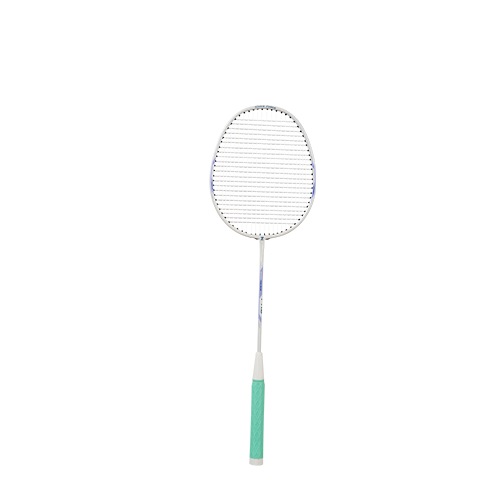
La production moderne de raquettes repose sur un ensemble d'équipements industriels hautement organisés, conçus pour optimiser la précision, la régularité, la rapidité et la qualité du produit. Du formage du cadre à la préparation de la surface, en passant par le cordage, l'inspection, l'emballage et le contrôle qualité final, chaque machine du processus de fabrication joue un rôle crucial. Qu'il s'agisse d'une raquette de tennis, de badminton, de squash ou d'une autre raquette de sport, les équipements industriels de pointe permettent aux fabricants d'atteindre des performances élevées tout en assurant une production à grande échelle efficace.
Sur le marché concurrentiel des articles de sport d'aujourd'hui, Équipements modernes utilisés dans la production de raquettes L'industrie de la raquette ne se limite plus aux outils de découpe et de moulage de base. Elle comprend désormais des systèmes à commande numérique, des presses automatisées, des perceuses de précision, des équipements de marquage laser, des solutions de manutention robotisées et des instruments d'inspection numérique. Ces outils permettent aux fabricants de maintenir des tolérances serrées, de réduire le gaspillage de matériaux, de standardiser la qualité des produits et de répondre à la demande croissante de raquettes légères, durables et performantes.
Ce guide présente un aperçu clair des équipements standards utilisés dans la fabrication des raquettes. Il est conçu pour être utilisé dans les articles de blog, les annuaires, les pages de catégories industrielles et les pages de ressources sur la fabrication. Les informations ci-dessous portent uniquement sur les connaissances générales du secteur et ne recommandent aucune marque ni entreprise en particulier.
L'équipement de production de raquettes désigne les machines, les outils et les systèmes industriels utilisés pour fabriquer les cadres, les manches, les tiges, les têtes, les œillets, les décalcomanies, les revêtements de surface et les produits finis assemblés. Ces machines prennent en charge chaque étape du processus de production, y compris la préparation des matières premières, le façonnage, le durcissement, l'ébarbage, le perçage, la finition, le cordage et le contrôle qualité.
Dans les environnements de fabrication modernes, les équipements de production de raquettes dépendent souvent de automatisation, commandes numériques, étalonnage de précision et procédures opérationnelles normaliséesL’objectif est de créer des raquettes légères, équilibrées, durables et homogènes d’un modèle à l’autre. Les raquettes étant des articles de sport dont la performance est cruciale, même de légères variations de poids, de tension ou de géométrie peuvent affecter leur jouabilité.
La qualité d'une raquette dépend fortement des équipements utilisés lors de sa fabrication. Les équipements modernes en usine améliorent la précision des produits et permettent aux fabricants d'obtenir des résultats constants. Ils favorisent également une productivité accrue, une réduction du taux de défauts et une meilleure maîtrise de l'utilisation des matériaux. Dans un environnement de production où performance et esthétique sont primordiales, les machines de pointe sont indispensables.
Avant d'examiner les machines en détail, il est utile de comprendre les étapes générales de la production d'une raquette. Bien que les processus puissent légèrement varier selon le type de raquette, la plupart des lignes de production suivent une séquence similaire.
Le tableau ci-dessous récapitule les types d'équipements modernes les plus couramment utilisés dans la production de raquettes. Ces machines sont largement répandues dans l'industrie de la fabrication d'articles de sport et peuvent être adaptées à différentes catégories de raquettes.
| Type d'équipement | Fonction principale | Application typique | Principal avantage |
|---|---|---|---|
| Machine de moulage de cadre | Fabrique des cadres de raquettes à l'aide de chaleur, de pression et de moules. | raquettes de tennis, de badminton et de squash | Contrôle précis de la forme et répétabilité |
| Table de stratification composite | Prépare les matériaux en couches avant le moulage | raquettes en fibre de carbone et composites | Alignement et structure des matériaux améliorés |
| Presse hydraulique | Applique une pression pendant le façonnage et le durcissement | Compression et stratification du cadre | Intégrité structurelle constante |
| Machine de découpe CNC | Découpe les matériaux à des dimensions précises | Feuilles, inserts et poignées en fibre de carbone | Haute précision et réduction des déchets |
| Machine à percer | Crée des trous pour les cordes et des trous de fixation | Têtes de cadre et points d'Accessoires | Placement précis des trous |
| Machine de marquage laser | Appose les numéros de série, les logos et les marquages | Image de marque et traçabilité | Identification permanente et propre |
| Ligne de peinture | Applique des revêtements de couleur et des finitions de surface | finition décorative et protectrice | Aspect uniforme et durabilité |
| Machine à corder | Installe les cordes de la raquette à une tension définie. | Étape d'assemblage final | Contrôle précis de la tension |
| Équipement de test d'équilibrage | Mesure le poids oscillant, le point d'équilibre et la masse | Inspection de la qualité | Cohérence des performances |
| Machine d'emballage | Emballe, étiquette et prépare les raquettes pour l'expédition | Étape logistique finale | Amélioration de l'efficacité et de la protection |
Les machines de moulage de cadres figurent parmi les équipements les plus importants dans la production de raquettes. Elles façonnent le cadre de la raquette grâce à une température et une pression contrôlées, ainsi qu'à des moules sur mesure. Ces machines sont couramment utilisées dans la fabrication de raquettes composites, notamment lorsque la géométrie et la répartition du poids doivent être précises.
Les systèmes modernes de moulage de cadres peuvent intégrer des commandes numériques de température, des réglages de pression programmables et une automatisation du cycle. Ces fonctionnalités permettent aux fabricants de produire des cadres aux dimensions stables et à la structure fiable. En production de masse, la précision du moulage influe directement sur la qualité du produit, ce qui rend cette catégorie de machines indispensable.
L'équipement de stratification composite sert à agencer les couches de fibres de carbone, de fibres de verre, de feuilles imprégnées de résine et d'autres matériaux avant le moulage. Étant donné que de nombreuses raquettes modernes sont fabriquées en composite, l'étape de stratification est cruciale pour optimiser la résistance, la flexibilité et le poids du matériau final.
Les tables de stratification, les guides d'alignement et les outils de coupe aident les opérateurs à positionner les matériaux avec précision. Dans les usines plus modernes, les systèmes automatisés de découpe et de préformage réduisent les erreurs manuelles et améliorent l'homogénéité des matériaux. Une stratification correcte est essentielle car elle influe sur la rigidité, la réponse aux vibrations et la durabilité.
| Équipement de mise en place | Fonction | Résultat de sortie | Valeur de production |
|---|---|---|---|
| Table de mise en place | Prend en charge le placement manuel ou semi-automatisé des matériaux | Alignement soigné des couches | Améliore la régularité |
| Traceur de découpe | Découpe des plaques composites selon des formes prédéfinies. | Préformes précises | Réduit les déchets |
| Dispositif d'alignement des matériaux | Maintient les calques dans la position correcte | structure d'empilement uniforme | meilleure qualité structurelle |
Les presses hydrauliques sont largement utilisées dans les usines de raquettes pour le formage par compression, le laminage et le façonnage contrôlé. Ces machines appliquent une force importante et uniforme pour faciliter l'assemblage des matériaux et donner à la structure sa forme finale. Les systèmes hydrauliques sont appréciés pour leur précision, leur puissance et leur régularité.
Les équipements de compression modernes intègrent souvent des capteurs de pression, une programmation des cycles et un système de surveillance de la température. Ces fonctionnalités contribuent à la stabilité de la production et réduisent les risques de défauts tels que des surfaces irrégulières, des collages insuffisants ou des déformations du cadre.
Les machines de découpe CNC servent à découper les composants des raquettes avec une grande précision. Dans la production de raquettes, elles peuvent être utilisées pour les feuilles composites, les inserts de manche, les mousses, les couches de protection et les accessoires. La commande numérique par ordinateur garantit une précision constante et permet aux fabricants de respecter des spécifications de conception strictes.
L'utilisation de la technologie CNC est particulièrement importante pour la production de raquettes modernes aux profils complexes ou aux tolérances serrées. En réduisant les erreurs de découpe manuelle, les machines CNC améliorent la régularité des pièces et contribuent à diminuer les rebuts. Elles favorisent également une production flexible en permettant des changements rapides entre différents modèles de produits.
Les perceuses sont indispensables pour percer les trous de cordage, les œillets, les trous pour accessoires et autres ouvertures précises dans les cadres de raquettes. La précision est primordiale car l'espacement et le diamètre des trous influent sur la pose des cordes, la solidité du cadre et les performances de la raquette.
Dans les installations de fabrication avancées, le perçage peut être automatisé grâce à des systèmes de positionnement programmés. Ceci permet de garantir le placement précis de chaque trou tout en préservant la symétrie du cadre. Le perçage de précision réduit également les risques de fissures ou d'endommagement de surface lors de la production.
L'équipement de traitement de surface sert à préparer le cadre de la raquette pour la peinture, le revêtement, l'impression et les finitions décoratives. Les lignes de peinture sont importantes non seulement pour l'esthétique, mais aussi pour la protection. Elles contribuent à créer une surface durable qui résiste à l'usure, à l'humidité et aux dommages liés à la manipulation.
Une ligne de peinture moderne peut comprendre des stations de dépoussiérage, d'application d'apprêt, de pulvérisation de couleur, de tunnels de séchage et de zones de contrôle qualité. Une épaisseur de revêtement maîtrisée et une application de couleur uniforme sont essentielles pour une présentation haut de gamme. De plus, la finition de surface contribue à l'image de marque et à la valeur perçue de la raquette finale.
| Composant de ligne de peinture | Rôle dans la production | Impact sur la qualité |
|---|---|---|
| Unité de nettoyage de surface | Élimine la poussière, l'huile et les particules | Améliore l'adhérence du revêtement |
| Pulvérisateur d'apprêt | Applique la couche de base avant la finition de couleur | Améliore la durabilité de la peinture |
| Cabine de peinture par pulvérisation | Applique des couches de couleur décoratives | Crée une apparence uniforme |
| Tunnel de séchage | Durcit le revêtement dans des conditions contrôlées | Réduit les défauts et les bavures |
Les machines de marquage laser sont de plus en plus utilisées dans la production de raquettes pour les numéros de série, les logos, les codes de modèle, le suivi des lots et l'identification des produits. Comparé aux méthodes d'impression traditionnelles, le marquage laser offre une grande durabilité, une excellente lisibilité et une finition industrielle impeccable.
La traçabilité est essentielle dans la fabrication moderne d'équipements sportifs car elle facilite la gestion de la qualité et le contrôle des stocks. Le marquage laser permet aux fabricants d'identifier les lots, d'optimiser la logistique et de garantir une image de marque cohérente sur les produits finis.
Les machines à corder servent à tendre et à installer les cordes sur le tamis de la raquette. C'est l'une des dernières étapes, et des plus cruciales, de la production. La tension des cordes, la précision du plan de cordage et la qualité de la pose influencent directement les performances de la raquette en jeu.
Les équipements de cordage modernes intègrent souvent des réglages de tension numériques, des systèmes de serrage automatiques et un support de cadre ajustable. Ces fonctionnalités contribuent à la stabilité de la tension et limitent les risques d'endommagement du cadre lors du cordage. En production professionnelle, la régularité du cordage est essentielle à la réputation du produit et à la satisfaction des utilisateurs.
Le contrôle qualité est essentiel à la production de raquettes. Des équipements d'inspection permettent de mesurer le poids, le point d'équilibre, la rigidité, les dimensions et l'état général de la surface. Les raquettes étant des produits performants, même de légères anomalies peuvent affecter leur utilisation. C'est pourquoi les usines modernes s'appuient sur des instruments de test numériques et des systèmes d'inspection visuelle.
| Outil d'inspection | Focus sur la mesure | But |
|---|---|---|
| Balance numérique | Poids total de la raquette | Confirme la constance du produit |
| Jauge du point d'équilibre | Répartition du poids | Caractéristiques de jeu des chèques |
| Testeur de rigidité | réponse à la flexion du cadre | Évalue l'adéquation des performances |
| Calibre dimensionnel | Longueur, largeur et géométrie | Vérifie la précision de la conception |
| Station d'inspection visuelle | Défauts de surface, rayures, problèmes de revêtement | Garantit la qualité de l'apparence |
Les équipements d'emballage servent à protéger les raquettes finies lors du stockage, du transport et de la distribution. Cette étape peut comprendre l'ensachage, l'étiquetage, le filmage, le conditionnement en carton et la préparation des palettes. Un emballage adéquat est essentiel car les raquettes peuvent être endommagées par les chocs, l'humidité ou l'abrasion de leur surface pendant le transport.
Les lignes d'emballage automatisées améliorent la cadence et réduisent la manutention manuelle. Elles garantissent également une meilleure précision d'étiquetage et une présentation optimale des produits. Pour les usines tournées vers l'exportation, les machines d'emballage contribuent à standardiser la préparation des expéditions et à assurer la bonne réception des produits.
L'automatisation est l'une des tendances les plus marquantes dans l'équipement des usines modernes de fabrication de raquettes. Les fabricants adoptent de plus en plus les systèmes automatisés pour améliorer leur efficacité et réduire leur dépendance à la main-d'œuvre. Parmi les applications courantes de l'automatisation, on peut citer la manutention robotisée, les cycles de moulage programmables, le contrôle par convoyeur et le suivi numérique des processus.
L'automatisation ne supprime pas le besoin d'opérateurs qualifiés. Au contraire, elle soutient les travailleurs en réduisant les tâches répétitives et en améliorant la stabilité des processus. Dans les secteurs où la qualité des produits repose sur la précision et la constance, l'automatisation constitue un atout concurrentiel majeur.
Les équipements de production modernes offrent de nombreux avantages aux fabricants de raquettes. Au-delà de la rapidité, ils englobent la qualité, la flexibilité et une efficacité opérationnelle à long terme. Face aux exigences croissantes des consommateurs, les équipements d'usine de pointe revêtent une importance grandissante.
Le tableau suivant présente les catégories de spécifications générales généralement prises en compte lors de l'évaluation des équipements de production de raquettes. Les valeurs exactes varient en fonction de l'échelle de production, du type de produit et de la conception de l'usine.
| Catégorie de spécification | Considérations typiques | Pourquoi c'est important |
|---|---|---|
| Vitesse de production | Unités par heure ou temps de cycle | Affecte la capacité de production |
| Système de contrôle | Manuel, semi-automatique ou entièrement automatique | Détermine l'efficacité du processus |
| Tolérance de précision | Précision dimensionnelle et de processus | Impact sur la qualité des produits |
| Compatibilité des matériaux | Fibre de carbone, composite, aluminium ou matériaux hybrides | Augmente la flexibilité de production |
| Consommation d'énergie | Consommation électrique pendant le fonctionnement | Influence les coûts d'exploitation |
| Besoins d'entretien | Nettoyage, étalonnage, remplacement d'outillage | Soutient une production stable à long terme |
| Interface opérateur | Écran tactile, boutons, commande logicielle | Améliore la facilité d'utilisation et le contrôle |
Les différents types de raquettes requièrent des priorités de production différentes. Les raquettes de tennis nécessitent souvent de la robustesse et une rigidité maîtrisée, les raquettes de badminton un cadre léger et un équilibre précis, et les raquettes de squash une construction compacte mais durable. Les équipements modernes répondent à ces exigences grâce à des réglages ajustables et un outillage flexible.
Les équipements de production peuvent être configurés pour s'adapter à différentes formes de têtes, conceptions de fûts, épaisseurs de cadres et schémas de cordage. Cette flexibilité est essentielle pour les fabricants qui produisent plusieurs gammes de produits au sein d'une même usine.
Un entretien régulier est essentiel pour les équipements modernes de production de raquettes. Le nettoyage, le calibrage, l'inspection et la maintenance préventive garantissent un fonctionnement stable des machines. Un équipement mal entretenu peut entraîner des variations de forme du cadre, des défauts de surface, un perçage imprécis et des temps d'arrêt.
Les usines performantes intègrent généralement la maintenance à leur planning de production. Cette approche prolonge la durée de vie des machines et contribue au maintien des normes de qualité. La production de raquettes étant tributaire de la précision, la maintenance préventive est l'un des moyens les plus efficaces de garantir la régularité de la production.
L'équipement moderne utilisé dans la production de raquettes constitue le fondement d'une fabrication efficace et de haute qualité d'articles de sport. Du moulage à la découpe CNC, en passant par le perçage, la peinture, le cordage et le contrôle qualité, chaque machine contribue aux performances et à l'esthétique finales de la raquette. Face à une demande croissante du marché pour des produits plus légers, plus résistants et plus homogènes, les usines s'appuient de plus en plus sur l'automatisation, le contrôle numérique et les systèmes de fabrication de précision.
Pour le contenu industriel axé sur le référencement naturel, le sujet de Équipements modernes utilisés dans la production de raquettes Ce contenu présente un intérêt majeur pour les fabricants, les acheteurs, les distributeurs, les professionnels de l'approvisionnement et les acteurs du secteur des équipements sportifs. Sa structure claire, ses titres riches en mots-clés, ses tableaux et ses explications pratiques le rendent parfaitement adapté aux pages de blog optimisées pour Google, aux annuaires et aux pages d'accueil de catégories.
Ce site Web utilise des cookies pour vous garantir la meilleure expérience sur notre site Web.


 English
 Español
 Pусский
 日本語
日本語 한국어
한국어 العربية
 हिन्दी
 Tiếng Việt
 中文
中文



 Téléphone
Commentaire
(0)